Anticipated Operational Headwinds Nobody's Talking About
[Episode #55] Multifamily Operator POVs: Reed Goossens, RSN Property Group

A two-operator read on the post-peak market, from cap stack cracks to AI on the desk.

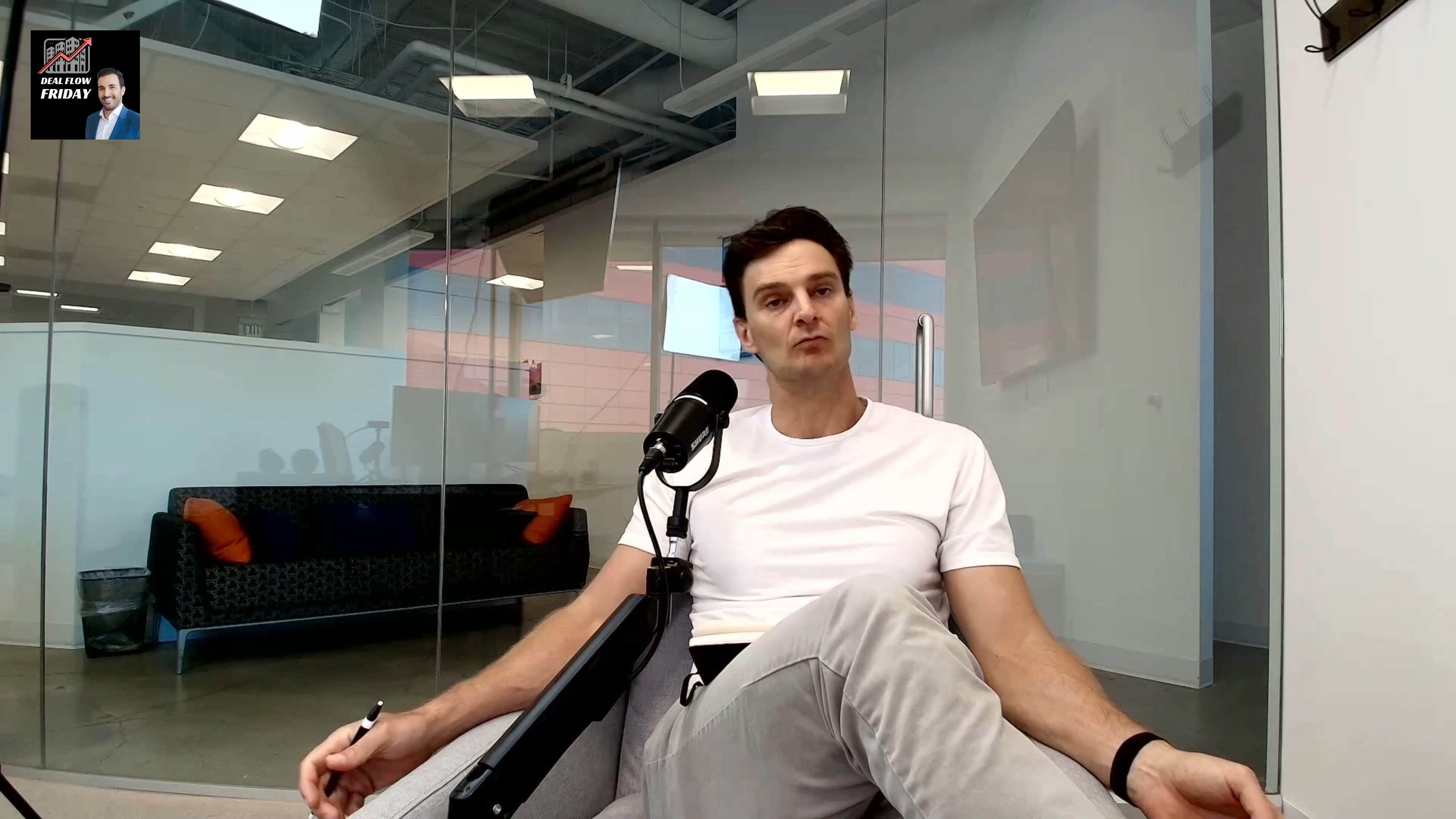
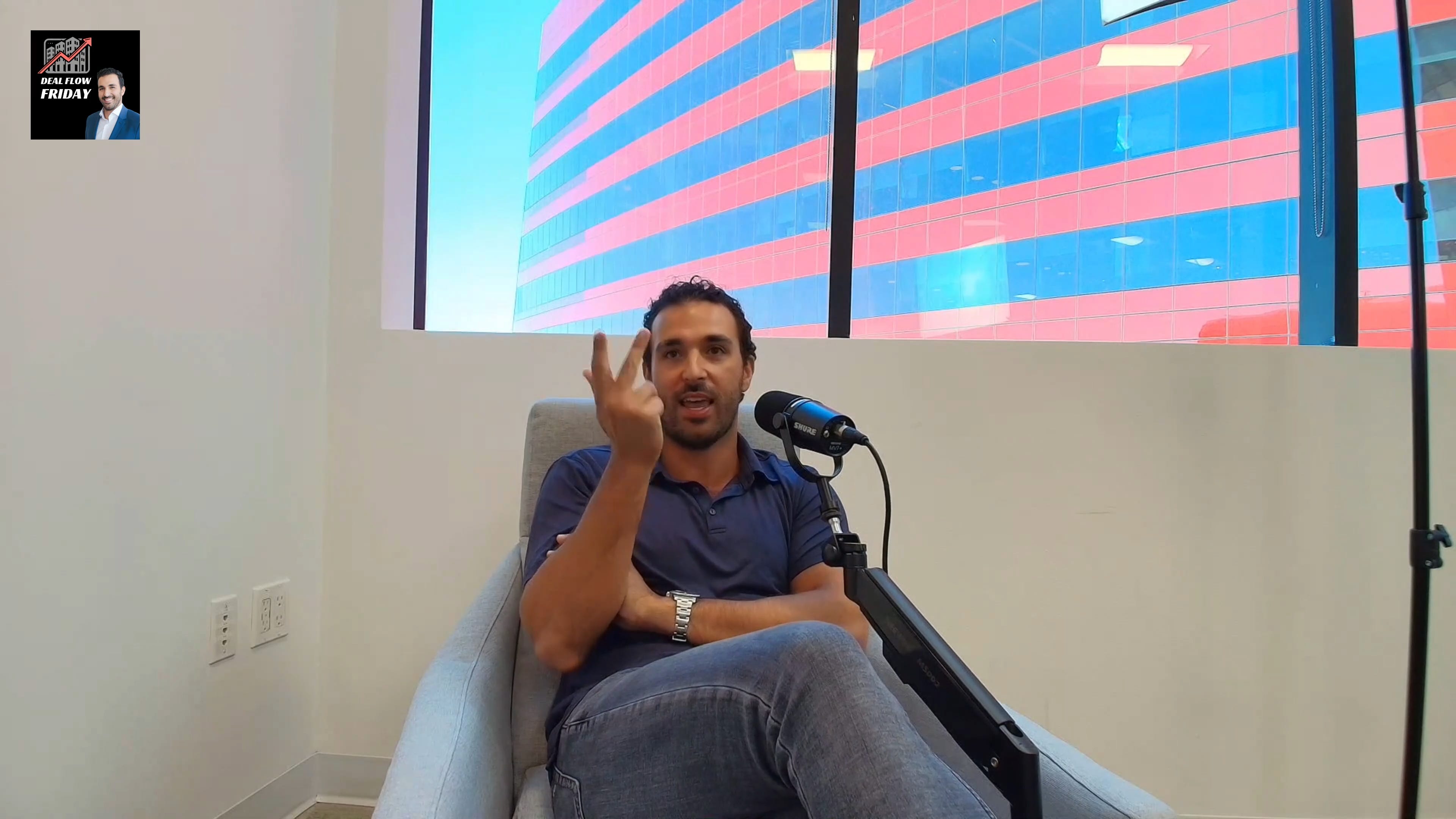
Reed Goossens flipped the format and put Trion’s CIO in the guest chair. In the first in-studio episode shot at our LA office, Reed and David trade notes on where multifamily actually sits after the 2022 peak. The result is two operators, no script, talking dispersion across markets, the distress that has not surfaced yet, and the underwriting math that works at today’s rates. Here is what matters for anyone still trying to make deals pencil.
For the first time in years, markets are trading at genuinely different yields, and that is the opportunity. “This is the first time in a long time that I’m seeing markets all trading at different yields and all have different type of risk adjustment,” David said. In the ZERP era, tertiary markets traded like core and “it didn’t make sense.” Now an operator can build conviction market by market, leaning into out-of-favor names like Atlanta where the yield is better and the supply is actually getting absorbed.
The cap stack distress everyone talks about is waiting on the operational distress nobody is pricing. David’s read is that lenders have held the line because “lenders have more optimism in tomorrow than they do with today.” The extend-and-pretend playbook survives only as long as that optimism does. Once operations crack in a widespread way, capitulation turns into actual sales.
There is a specific rate level where buyers and sellers come back together. “Four on the ten year, three and a half on the five year is like the sweet spot right now for buyers and sellers coming together,” David said. The ten year sitting in the 4.50s, sticky despite everything the government is doing, is the canary he is watching. Until it moves, deal-making territory stays narrow.
Trion’s underwriting North Star has flipped from what a deal becomes to what it earns on day one. Pre-rate-hike, the firm chased untrended yield on cost; today it is “day one yield net of cost, which is deferred cost, net of gain to lease, net of the deterioration” of the rent roll. The target is positive leverage and 5 to 6 percent cash-on-cash going in. A recent Fayetteville, NC buy at a 6.1 cap against low-5s debt is the template: positive leverage from day one.
The fix for cap stack risk is boring debt and a longer hold. Trion is executing only Fannie and Freddie agency on five to seven year terms, the kind of structure that cash flows from day one. David called it “old school real estate OG investing,” the cost seg, depreciation, and inflation hedge that a three-year flip never captures. As he put it, “if you wanna get rich quick, there’s many other ways to do it in this world than just do three year flips of real estate.”
The pitch to capital right now is basis, even with retail investors licking their wounds. With stock portfolios up and 2021-22 buyers burned, “there’s a lot of blood in the street,” and getting retail money back to the table is hard. Trion’s edge is an investor base that has held through cycles. The argument is simple: these deals are getting picked up “at a thirty or forty percent discount to similar vintage assets that sold in the peak.”
David is, by his own account, Trion’s de facto head of AI, and it is changing how the firm sources. The team took its CRM API, built its own MCP, and wired it into Claude alongside Outlook and Granola notes to surface theses “something in CoStar can’t tell you.” On the Trion Living side, a custom lead-gen tool that would have cost six figures now runs for a few thousand dollars. His take on the jobs debate: the pie is getting bigger.
Quote of the Week
“Lenders have more optimism in tomorrow than they do with today.” — David Moghavem
Guest Snapshot
Reed Goossens is the founder of RSN Property Group and host of the Investing in the US podcast. An Australian-born multifamily investor based in LA, he has built his platform around bringing U.S. deal flow and operator insight to a global investor audience.

Available on all podcast streaming apps, including YouTube, Spotify, and Apple Podcast.